Issue Nine · October 23, 2026 · What's Really Burning
The Sovereign Dispatch
Not the news, but a daily practice in sovereignty and discernment. France is grieving real losses this week. At the same time, a second fire spread online, built from old footage and a story that explains everything. Today we practice holding a real grief without swallowing the story wrapped around it.
How the Dispatch Works
This isn't the news. It's practice.
The Sovereign Dispatch isn't trying to be your news source. It's a daily practice in sovereignty and discernment. Most news arrives with something extra built in: a hook aimed at your solar plexus, a frame that tells you which team to be on, and small grains of illusion mixed in with the facts. Each issue takes a few real stories, shows you exactly where they tripped our filters and why, and sorts out what's left: the information itself, without the manufactured charge.
The two filters
- The discernment filter asks: is this true, and how do we know? It trips on unverified claims, anonymous sources presented as fact, missing numbers or context, and headlines that say more than the story does.
- The sovereignty filter asks: what is this trying to do to me? It trips on fear or rage engineered to get past your thinking, framing that sorts people into teams, spectacle, and stories that teach you you're helpless.
Grains of illusion
These are the small distortions that ride along with real facts: a loaded word (“slammed,” “destroyed”), a number with no source, a quote cut so it means something else, old footage presented as new, or a guess presented as a plan. Once you learn to spot them, you'll see them everywhere.
What we do with every story
Each story opens with a Filter Report: which filter it tripped, why, what we removed, and what remains. Then we sort what remains into four questions: what's documented, what's still unknown, who benefits from how it makes you feel, and what's truly in your hands. Each issue ends with good news that passed both filters.
One caution
A contraction in your solar plexus means a story is moving you, not that it's false. Some news is true, and it should hurt. The practice isn't to stop feeling. It's to notice the charge, then check whether it was handed to you, or whether it's simply true.
The goal is that one day you won't need the Dispatch. You'll do this yourself, with every headline you meet.
Before You Read
Check in first
Think of a building you love: a church, a library, a grandmother's kitchen. Notice where you feel it when you imagine it burning. That ache is real, and it's worth honoring. It's also exactly the place a story can hook into. Breathe out slowly, and read on with both hands open.
Practice · Checking Back
It held up
Filter Report
- Result: A practice: checking back after the 24-hour rule.
- Why: Yesterday we held back four headlines we couldn't confirm. A day later, we looked again.
- What we removed: one detail that still hasn't been confirmed, and one story that still has no second source.
- What remains: three stories that are now well reported.
- Confirmed: Meta's $25 billion penalty. On October 21, Judge Francis Mathew in Santa Fe ordered Meta to pay New Mexico $25 billion for misleading users about their data privacy, with 15% yearly interest until it's paid. His calculation came to nearly $220 billion before he reduced it. Meta says it is confident it will win on appeal.
- Confirmed, with one correction: the PHP security flaws. Two critical flaws in PHP, software that runs a large share of the web, led to precautionary shutdowns. The Wikimedia Foundation took some systems offline until they were patched, and so did government sites in several European countries. But we found no report of the BBC going offline. That part didn't hold.
- Confirmed: an American freed by Russia. Stephen Hubbard, a retired teacher from Michigan, was released on October 21 during a visit by a U.S. envoy. He had been sentenced after a closed trial in 2024.
- Still unconfirmed: the report of protesters injured at a Utah data center meeting.
Waiting a day cost us nothing. And it caught one detail that would have been wrong if we'd passed it along on the first morning.
Sources: Source NM, CNN, CTV News, AP via WCAX.
Story One · A Real Loss
Limoges: a town hall made of its own craft
Filter Report
- Tripped: the outrage filter.
- Why: Pictures of a burning landmark are being used to blame whole groups of people, from every side.
- What we removed: blame for everyone who marched, and claims about the fire's cause that go beyond the investigation.
- What remains: what burned, what was saved, and who saved it.
Limoges is the porcelain capital of France. For 143 years its town hall showed off the city's own craft, down to twelve coats of arms in enameled porcelain by the Limoges house of Haviland in the entrance hall. It was built with money left to the city by a local man, Alfred Fournier.
- What happened: On October 17, between 550,000 and 800,000 people marched across France over the cost of living, fuel prices, school funding, and failing public services. Most marched peacefully. That evening in Limoges, rioters broke into the town hall and set it on fire. The mayor says they were organized rioters, not part of the march. Two suspects have been arrested.
- What was lost: The roof and bell tower are gone, along with about two-thirds of the main façade. The building is still unstable.
- What was saved: The wings were less damaged than first feared, and the first-floor arches held. Firefighters went back into the building two by two and carried artworks out piece by piece, and the city's fine arts museum stepped in to help store them. The stained glass by the master glassmaker Francis Chigot was rescued days later. Officials haven't yet reported what became of the porcelain coats of arms.
- What comes next: Rebuilding will take years. Estimates range from 30 to 100 million euros, and a national heritage fund drew hundreds of thousands of euros from the public in its first two days.
"It's a monument that is burning, but it is not the Republic." The mayor of Limoges, in front of the fire.
Sources: franceinfo, ICI Limousin, Aquitaine Online, Al Jazeera.
Story Two · The Fire Online
Old footage, and a story that explains everything
Filter Report
- Tripped: the too-perfect-story filter.
- Why: When one story explains every loss at once, and names a hidden enemy, it deserves a second look.
- What we removed: a recycled video, and claims that have no documentation behind them.
- What remains: a real trend, a real grief, and what's true underneath.
The video
A video of a French church in flames went viral this week as if it showed the protests. Fact-checkers at Misbar matched it to a 2024 arson at the Church of the Immaculate Conception in Saint-Omer. It's real footage of a real fire, but it's two years old.
The real trend
Church fires in France are a real and documented problem. French heritage watchers have recorded a rise in arson and attempted arson at churches in recent years. They also caution that many church fires are accidents: old wiring, unwatched candles, no cameras.
The story
Alongside the footage, posts are spreading a bigger explanation: that these buildings are being destroyed on purpose because they're evidence of "Tartaria," a lost worldwide civilization with free energy and healing bells, erased from history to keep us buying oil and pills.
- What's true underneath: beauty and craft really are being lost, and knowledge really can vanish in a generation or two. Philanthropy really did reshape Western medicine after 1910, and bells really were taken (more on that below).
- What isn't supported: the grand buildings attributed to Tartaria have known architects, construction records, and photographs. "Tartary" on old European maps was a vague name for Central and Northern Asia, not one empire.
- What to notice: many of these posts end with an invitation to follow, subscribe, or buy. A story built to move you is often also built to keep you.
Sources: Misbar, Observatoire du patrimoine religieux.
Story Three · The True History
Where the bells went
Filter Report
- Result: Passed both filters.
- Why: This is the documented history the online story borrows from.
- What we removed: nothing.
- What remains: two times the bells of Europe were taken, and one that refused to go.
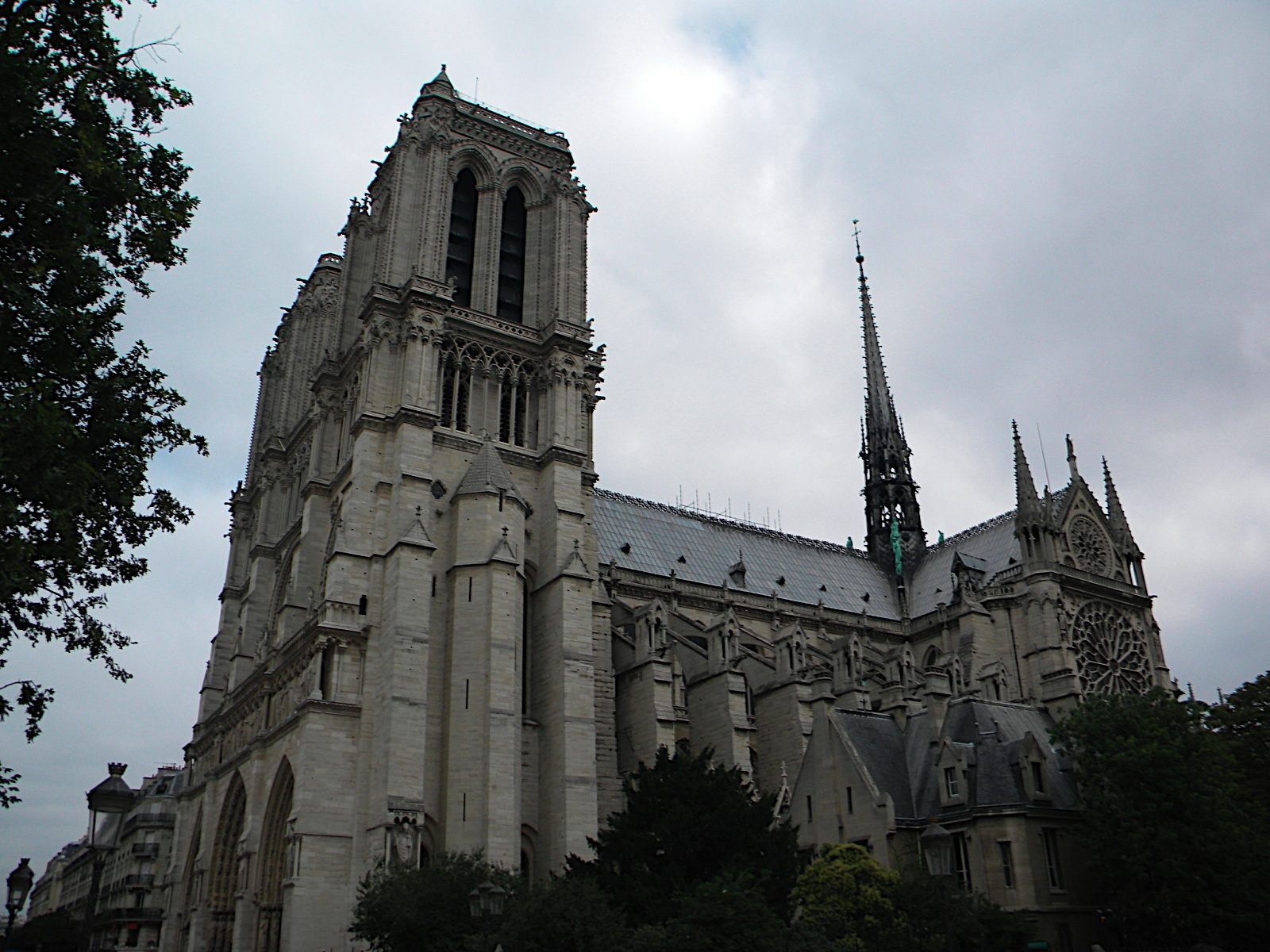
- In the French Revolution, Notre-Dame's bells were taken down in 1791 and 1792 and melted into cannon. Only one survived: Emmanuel, the great bell cast in the 1680s, which hangs in the south tower. It also survived both World Wars and the 2019 fire, and still rings today.
- In World War II, the Nazis took more than 175,000 bells from church towers across Europe. They needed the bronze for weapons. The bells were piled in collection yards that came to be called bell cemeteries, the largest in Hamburg, and about 150,000 were melted down. Some survivors were found and sent home after the war.
The bells weren't taken to hide their frequency. They were taken for their metal, by people who saw a sacred thing and measured only its weight. That may be the deeper lesson: what a culture holds sacred is always at risk from people who can only count.
Taken, hidden, found
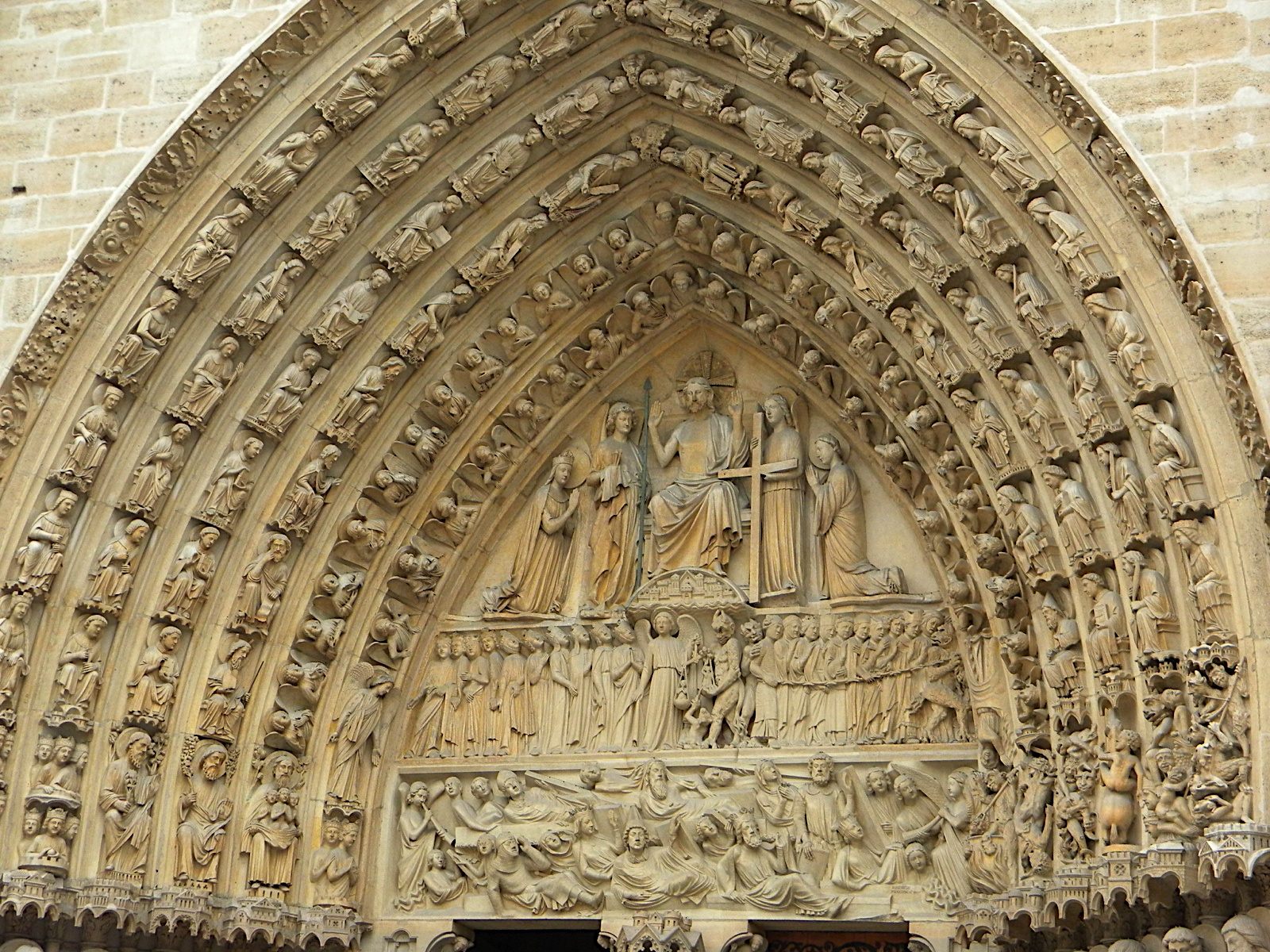
In 1793, revolutionaries pulled down the 28 crowned statues across Notre-Dame's front and beheaded them, believing they were the kings of France. They were actually the kings of Judah from the Bible. The heads vanished. Then, in 1977, workers renovating a Paris mansion found 21 of them buried in its courtyard, along with hundreds of other carved fragments. Someone had quietly hidden them. They're now in Paris's Musée de Cluny.
Sources: Bells of Notre-Dame de Paris, Legion Magazine, Medieval Histories.
Good News, Checked
What was kept
Filter Report
- Result: Passed both filters.
- Why: The other half of the story: what people chose to carry forward.
- What we removed: nothing.
- What remains: a roof, a chapel, and a row of bookstalls.
A roof raised by hand
Notre-Dame reopened in December 2024. To rebuild its roof, carpenters shaped hundreds of tons of oak with sixty hand-forged axes, the way the medieval builders did, and joined the beams with wooden pegs instead of nails. The craft wasn't lost after all. People chose to relearn it.
The crown and the chapel
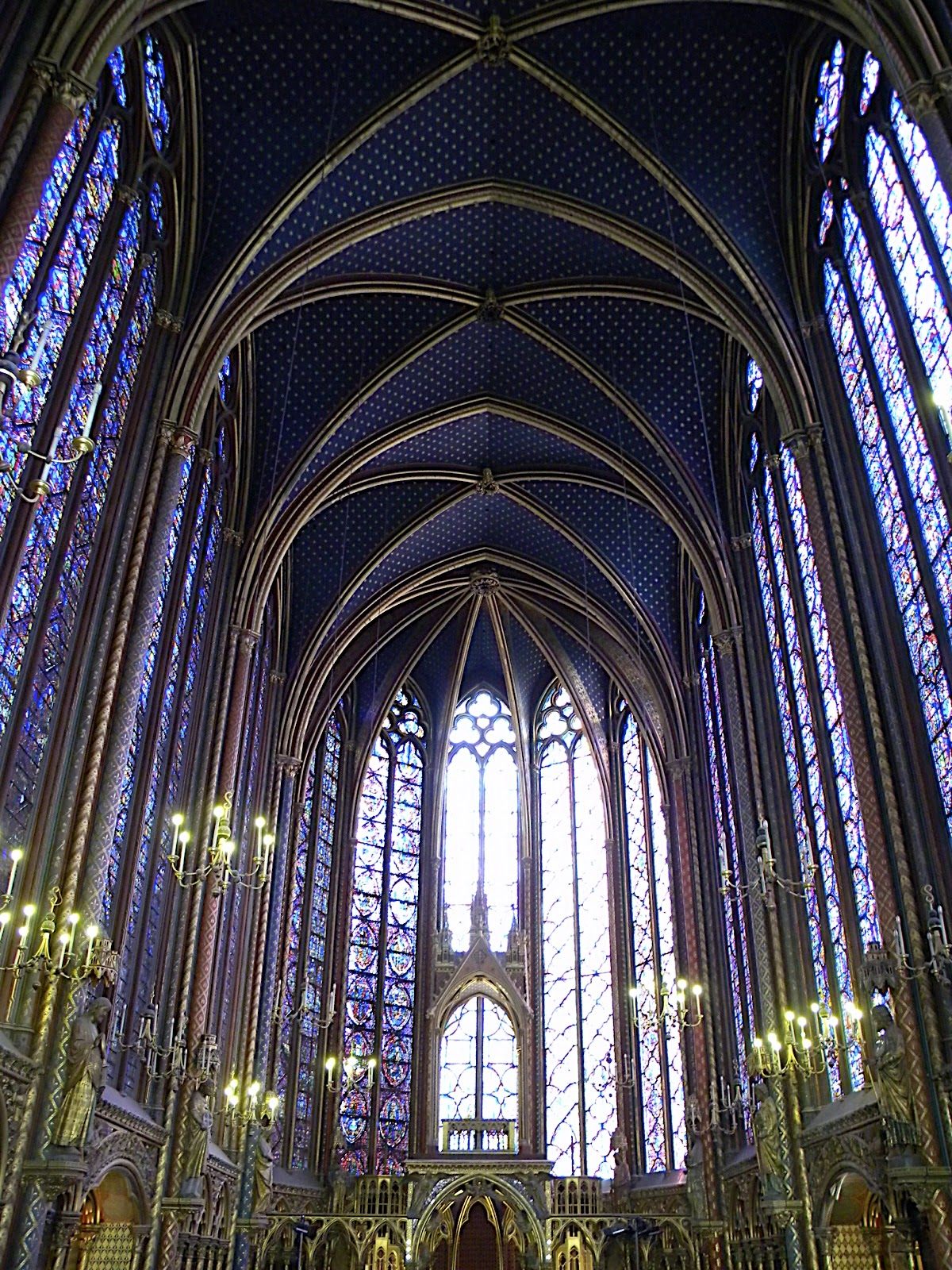
Sainte-Chapelle was built in the 1240s by King Louis IX as a reliquary you can walk inside, made to hold the Crown of Thorns. Its walls are almost entirely glass. After the Revolution the crown was moved to Notre-Dame, and in 2019 a fire brigade chaplain and firefighters carried it out of the burning cathedral.
The books that stayed
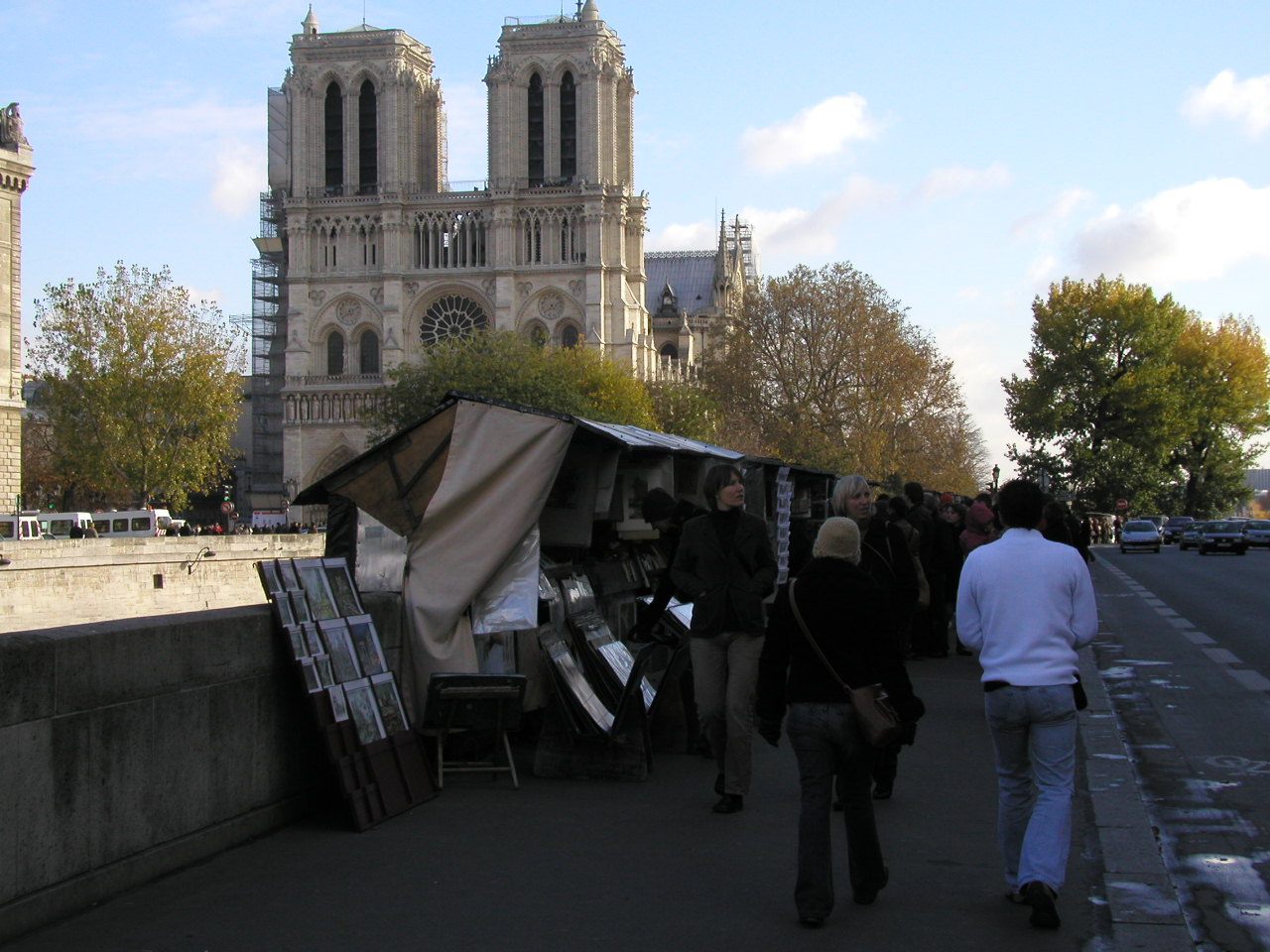
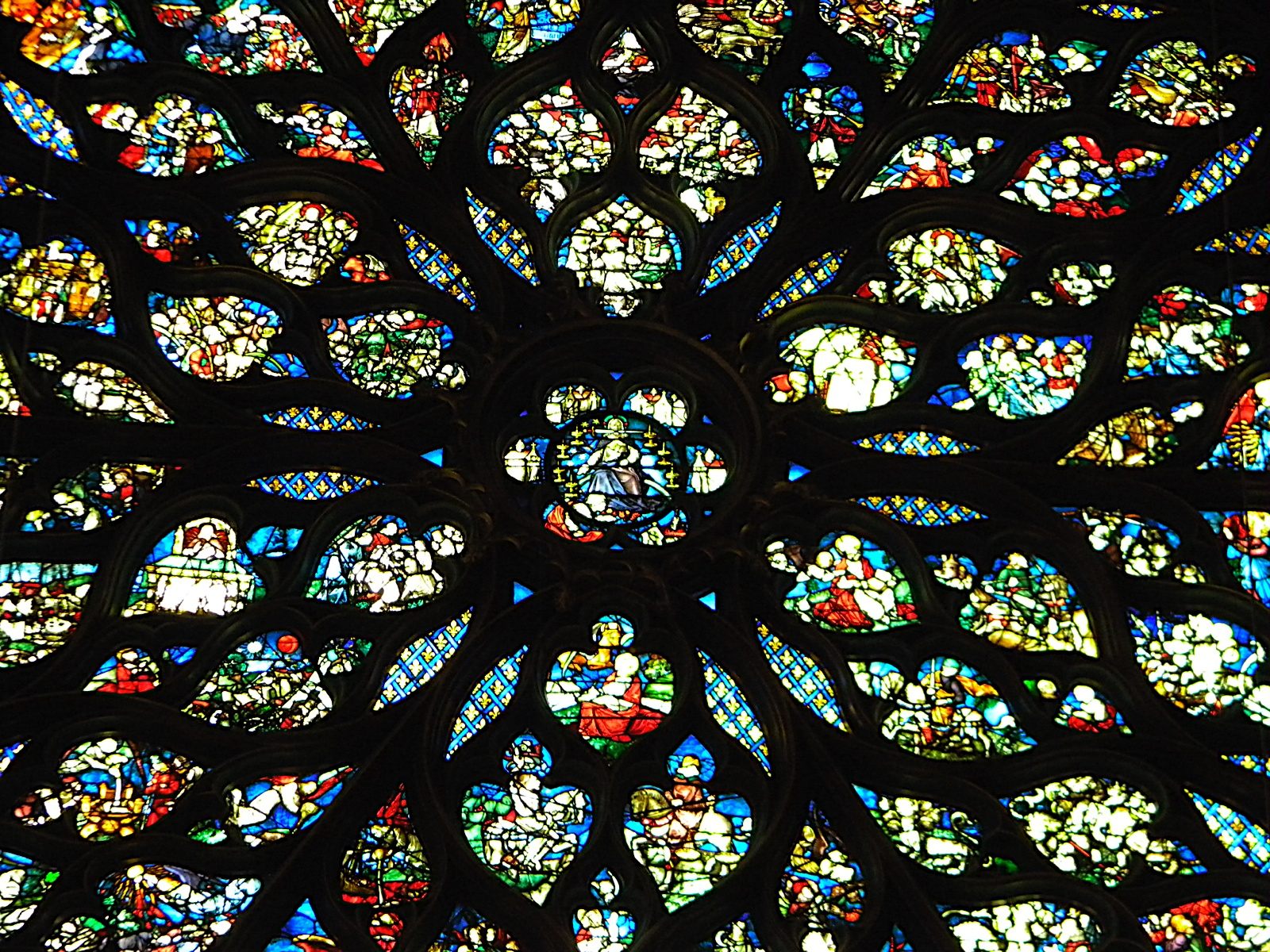
Booksellers have sold from green boxes along the Seine for more than four centuries. Before the 2024 Olympics, police planned to remove hundreds of their stalls for security. The booksellers organized, the public rallied, and in February 2024 the plan was dropped. They're on France's official list of intangible cultural heritage. So the opposite of "first you burn books" is also true: sometimes the books stay because people insist.
Sources: NPR, AP via News4JAX.
Today's Practice
Hold the grief, check the story
- Name the loss plainly. "A beautiful 143-year-old building burned." That's enough to grieve.
- Check the footage's date. A reverse image search often shows where a video first appeared.
- Be careful when one story explains everything, especially when it comes with a hidden enemy and a link to subscribe.
- Put the grief somewhere real. Visit an old building near you. Learn its story. Learn a craft. Keep the seeds. That's how knowledge survives the next generation.
This is Issue Nine, October 23, 2026. Read the latest issue. Earlier issues: Eight, Seven, Six, Five, Four, Three, Two, One.